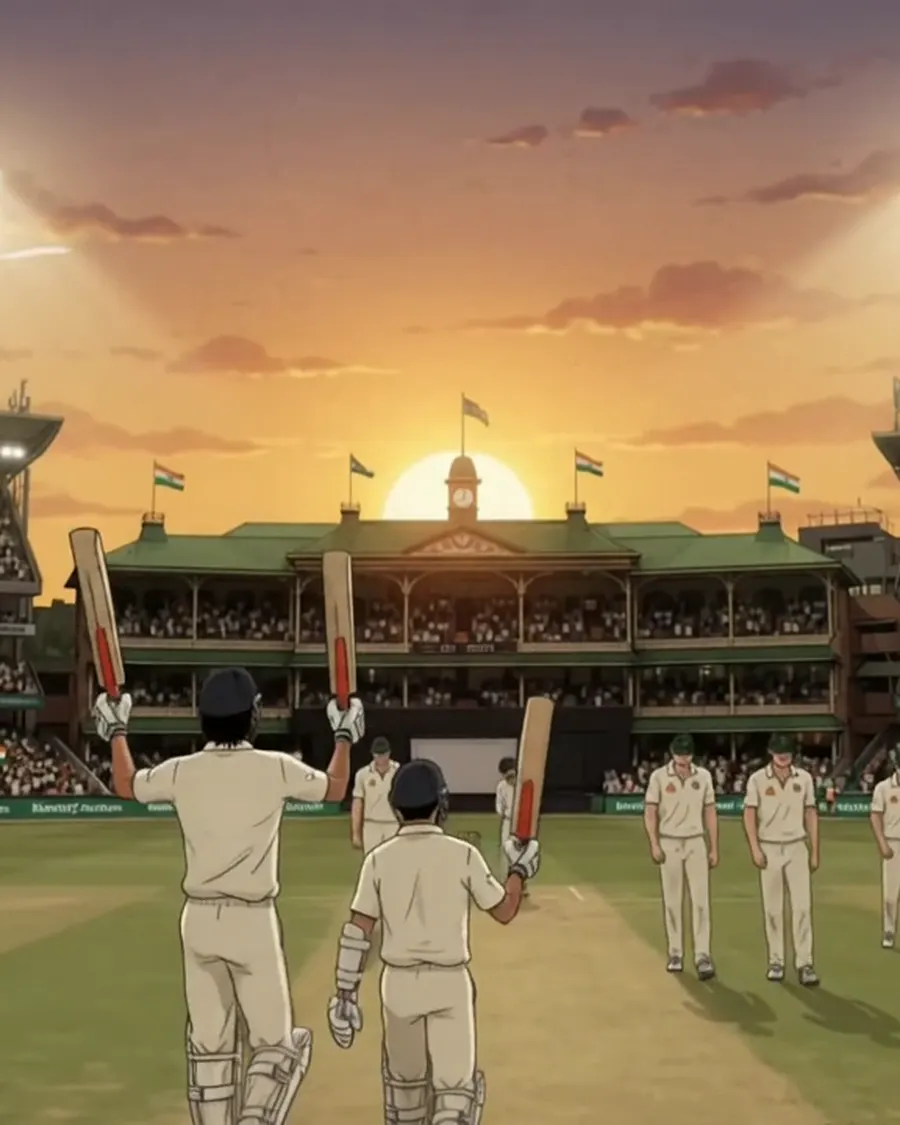
March 2001. Steve Waugh’s Australia had won 16 Tests in a row and wanted to conquer their “Final Frontier”: a Test series win in India. They had already won the first Test in Mumbai. The second, at Kolkata’s Eden Gardens, looked like theirs too.
Chapter 1All out for 171, follow-on
Australia made 445 in their first innings. India replied with just 171, 274 behind. Waugh enforced the follow-on. For most people, the match was over.
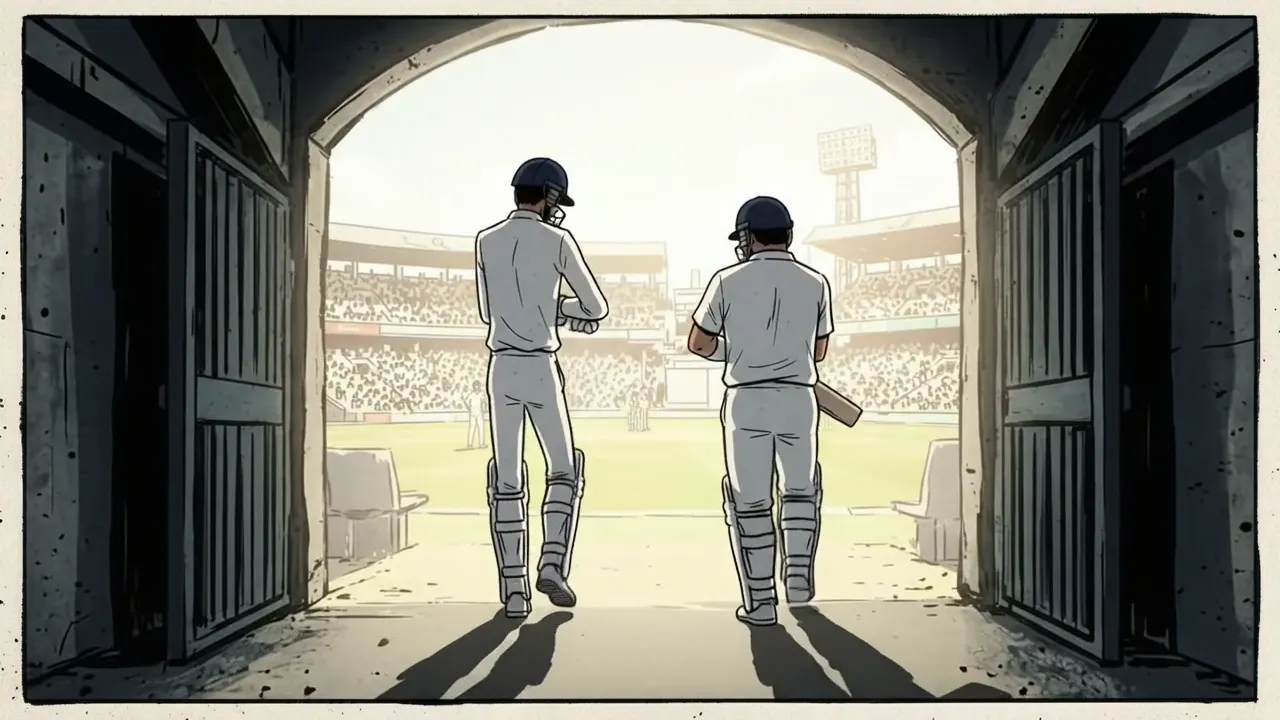
In the first innings VVS Laxman had fought alone, making 59. In the second, he was promoted to number 3.
Chapter 2The day no wicket fell
On the morning of day four, Laxman and Rahul Dravid were at the crease. What followed is often called the greatest comeback in cricket history. The two batted through the entire day. Shane Warne, Glenn McGrath, Jason Gillespie: no one could get a wicket.
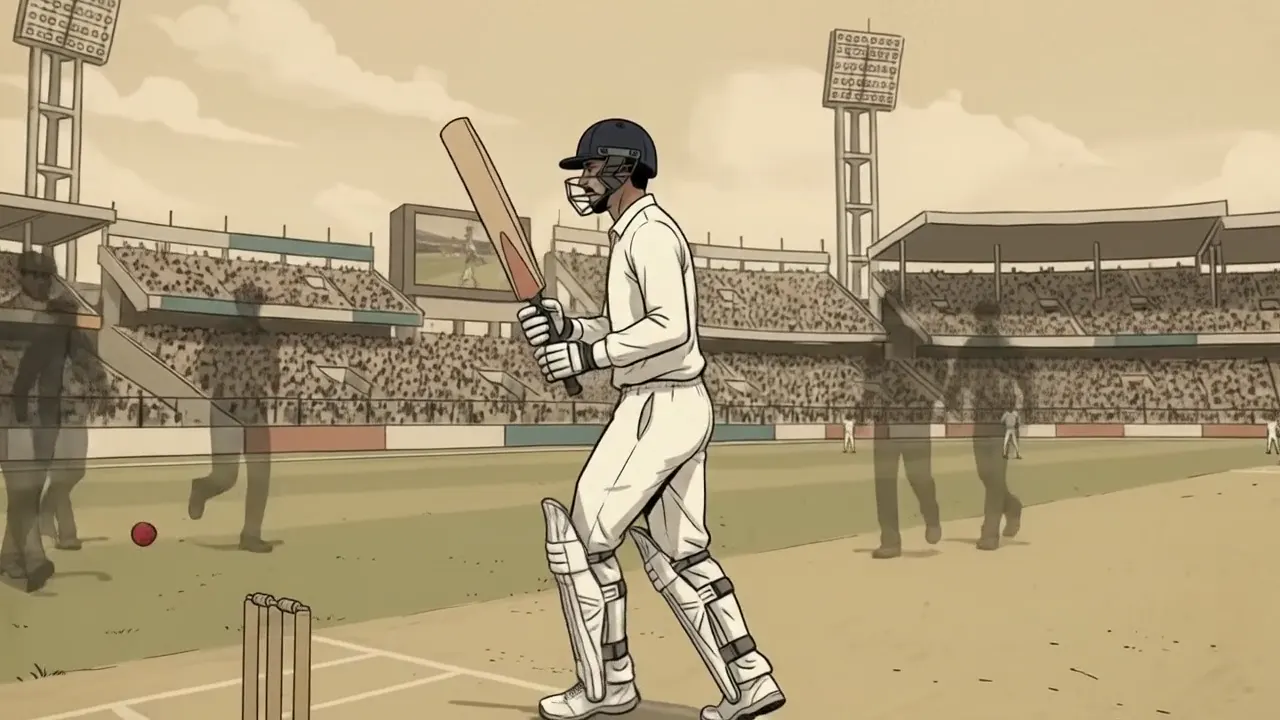
Laxman scored 281, at the time the highest Test score by an Indian. Dravid made 180 despite fever and exhaustion. Together they added 376. India declared at 657 for 7.
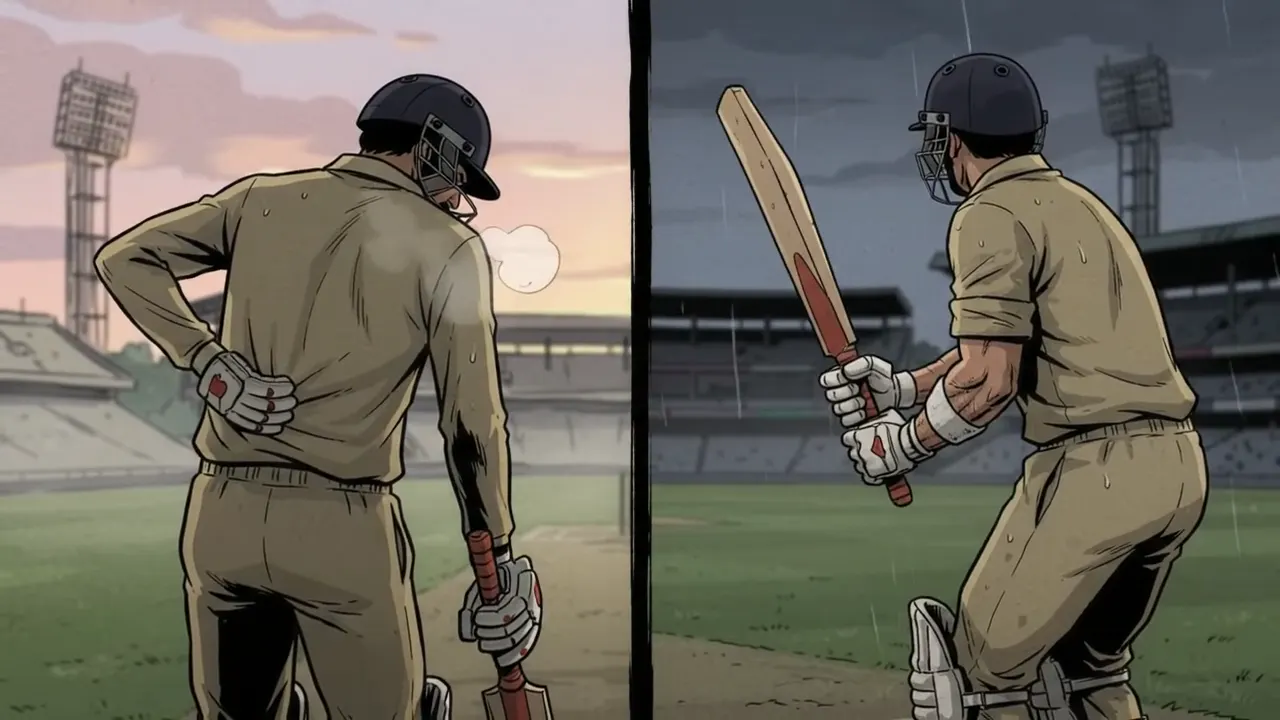
A whole day… and the world’s most feared attack could not take a single wicket.
Chapter 3Harbhajan’s hat-trick
Australia now had to score 384 on the final day, or save the match. Against 20-year-old Harbhajan Singh’s off-spin they collapsed for 212. In the first innings of the same match Harbhajan had become the first Indian to take a Test hat-trick: Ricky Ponting, Adam Gilchrist and Shane Warne. He finished the match with 13 wickets.
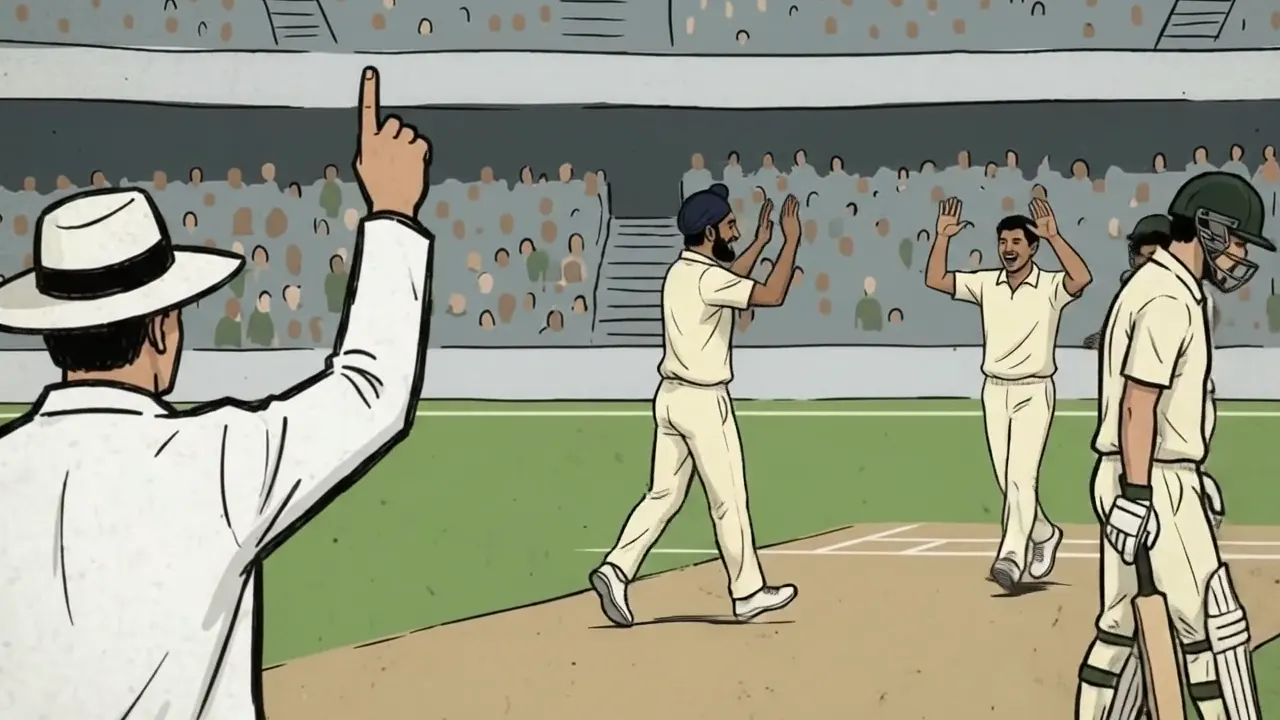
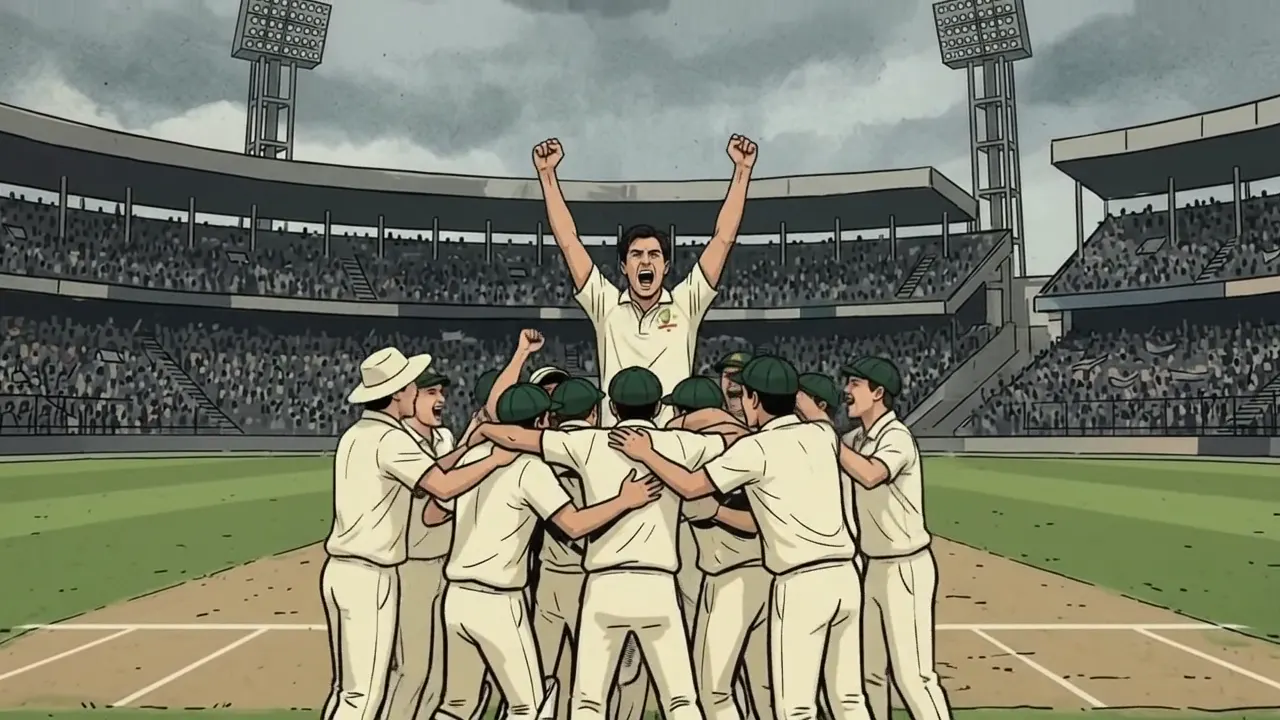
India won by 171 runs and ended Australia’s 16-Test winning streak. They became only the third team ever to win a Test after following on. India won the third Test in Chennai too, taking the series 2–1.
For more stories like this… follow Maidan Katha